The Future-Proof Foundations of Architecture: Designing for Longevity, Efficiency, and Human Experience
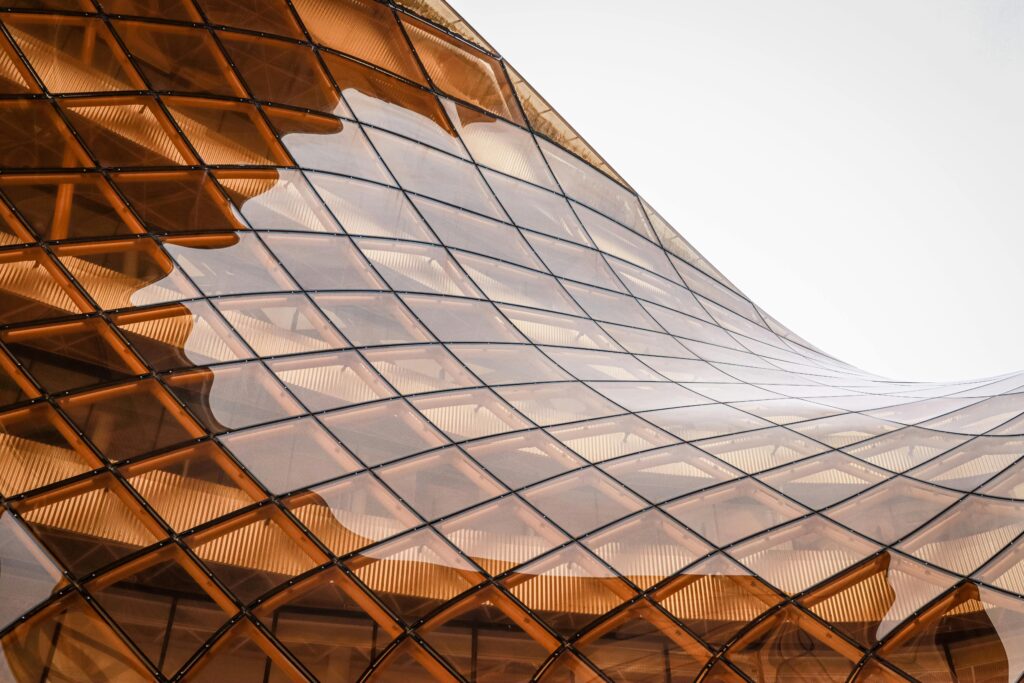
Architecture has always been a reflection of its time—shaped by culture, technology, and economic priorities. Yet the most enduring structures share something deeper: a commitment to timeless principles that outlast trends and adapt to changing needs. In an era defined by rapid urbanization, climate challenges, and technological disruption, the most valuable architectural strategies are those rooted in longevity, efficiency, and human-centered design.
For developers, investors, and policymakers alike, understanding these principles is no longer optional. It is a strategic imperative.
Architecture Beyond Aesthetics: A Strategic Asset
Modern architecture is no longer judged solely on visual appeal. Today, buildings are evaluated based on performance metrics—energy efficiency, lifecycle costs, adaptability, and user experience.
From commercial real estate portfolios to residential developments, architecture directly impacts:
- Operational costs (energy, maintenance, repairs)
- Asset value and appreciation
- Tenant satisfaction and retention
- Regulatory compliance and sustainability standards
In this context, architecture becomes less about static design and more about long-term asset optimization.
The Principle of Timeless Design
Trends in architecture come and go—minimalism, brutalism, parametric design—but timeless buildings share consistent characteristics:
1. Simplicity and Clarity
Structures with clean lines, balanced proportions, and functional layouts age more gracefully than overly complex designs.
2. Material Integrity
Using durable, high-quality materials—stone, steel, concrete, engineered wood—ensures longevity and reduces lifecycle costs.
3. Contextual Relevance
Buildings that respond to their environment—climate, geography, culture—remain relevant longer than those that ignore their surroundings.
Timeless design is not about avoiding innovation; it is about ensuring innovation serves function rather than novelty.
Sustainability as a Core Architectural Strategy
Sustainability is no longer a niche consideration—it is central to modern architecture.
Energy Efficiency
Buildings account for a significant portion of global energy consumption. Designing for efficiency includes:
- Passive solar design (orientation, window placement)
- High-performance insulation
- Energy-efficient HVAC systems
- Smart building technologies
These elements reduce operating costs while increasing long-term value.
Resource Optimization
Sustainable architecture prioritizes:
- Recycled and locally sourced materials
- Water conservation systems
- Waste reduction during construction
Developers increasingly recognize that sustainability aligns with profitability, not just environmental responsibility.
Regulatory and Market Pressures
Governments and investors are pushing for greener buildings through:
- Stricter building codes
- ESG (Environmental, Social, Governance) requirements
- Tenant demand for sustainable spaces
Future-proof architecture anticipates these shifts rather than reacting to them.
Designing for Adaptability and Flexibility
One of the biggest risks in real estate is obsolescence. Buildings designed for a single, rigid purpose are more vulnerable to market shifts.
Flexible Floor Plans
Open layouts and modular systems allow spaces to be reconfigured with minimal cost.
- Offices can convert to residential units
- Retail spaces can adapt to mixed-use environments
- Industrial buildings can support evolving logistics needs
Structural Foresight
Designing with higher floor-to-ceiling heights, adaptable core systems, and scalable infrastructure allows buildings to evolve over decades.
Technology Integration
Smart infrastructure—fiber connectivity, IoT systems, automation—ensures buildings remain competitive in a digital economy.
Adaptability transforms architecture from a fixed product into a dynamic platform.
The Human-Centered Approach to Architecture
While efficiency and sustainability are critical, the most successful buildings prioritize the people who use them.
Natural Light and Well-Being
Access to daylight has been shown to improve:
- Productivity
- Mental health
- Energy levels
Architectural strategies include large windows, skylights, and open atriums.
Indoor Air Quality
Ventilation systems, non-toxic materials, and air filtration contribute to healthier environments—an increasingly important factor in post-pandemic design.
Biophilic Design
Incorporating natural elements—plants, water features, natural materials—enhances user experience and well-being.
Acoustic and Thermal Comfort
Sound insulation and temperature control are often overlooked but critical to user satisfaction.
Human-centered design is not just a lifestyle feature; it is a competitive advantage in attracting tenants and buyers.
Urbanization and the Rise of Mixed-Use Developments
As cities grow denser, architecture is shifting toward integrated, mixed-use environments.
The Efficiency of Mixed-Use Design
Combining residential, commercial, and recreational spaces in a single development:
- Reduces commuting times
- Increases property value
- Enhances community engagement
Walkability and Connectivity
Urban planning now emphasizes walkable neighborhoods with access to public transit, amenities, and green spaces.
Economic Resilience
Mixed-use developments are more resilient to market fluctuations because they diversify revenue streams.
This trend reflects a broader shift toward holistic urban ecosystems rather than isolated structures.
Technology’s Role in Modern Architecture
Technology is reshaping how buildings are designed, constructed, and operated.
Building Information Modeling (BIM)
BIM allows architects and developers to:
- Visualize projects in 3D
- Identify inefficiencies before construction
- Reduce costs and delays
Prefabrication and Modular Construction
Off-site construction methods improve:
- Speed of delivery
- Cost efficiency
- Quality control
Smart Buildings
Integrated systems enable real-time monitoring of:
- Energy usage
- Security
- Occupancy patterns
These technologies enhance operational efficiency and user experience.
Economic Considerations: Balancing Cost and Value
One of the most important aspects of architecture is financial viability.
Upfront Costs vs. Lifecycle Value
Investing in higher-quality materials and systems may increase initial costs but significantly reduce:
- Maintenance expenses
- Energy consumption
- Renovation needs
Return on Investment (ROI)
Well-designed buildings often command:
- Higher rental rates
- Increased occupancy
- Stronger resale value
Risk Mitigation
Future-proof design reduces exposure to:
- Regulatory changes
- Market shifts
- Technological obsolescence
Architecture, when approached strategically, becomes a driver of financial performance rather than just a cost center.
The Importance of Location and Context
No architectural strategy exists in isolation. The success of a building depends heavily on its surroundings.
Climate-Responsive Design
Designing for local weather conditions improves:
- Energy efficiency
- Structural durability
- Occupant comfort
Cultural Alignment
Architecture that reflects local culture and identity resonates more strongly with communities.
Infrastructure and Accessibility
Proximity to transportation, utilities, and services significantly impacts property value.
Contextual awareness ensures that architecture complements rather than competes with its environment.
Lessons from Enduring Structures
Some of the world’s most iconic buildings have lasted centuries—not because of advanced technology, but because of strong foundational principles:
- Thoughtful site selection
- Durable materials
- Functional design
- Adaptability over time
Modern architecture can learn from these examples by prioritizing substance over spectacle.
Conclusion: Building for the Next Generation
Architecture is entering a new phase—one defined not by short-term trends, but by long-term thinking. The most successful projects will be those that balance aesthetics with performance, innovation with practicality, and efficiency with human experience.
For stakeholders across industries, the takeaway is clear:
- Design with longevity in mind
- Prioritize adaptability and sustainability
- Focus on user experience
- Treat architecture as a strategic investment
In doing so, buildings can transcend their original purpose and remain valuable, relevant, and impactful for generations to come.