The Business of Design: How Strategic Design Drives Long-Term Value in a Digital Economy
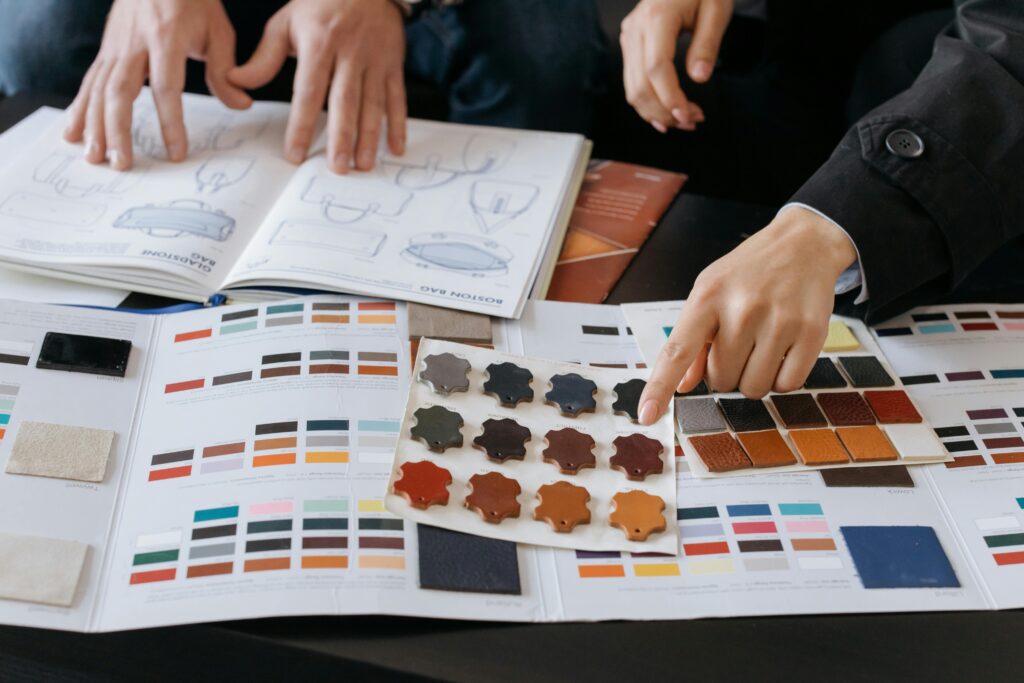
In today’s competitive global marketplace, design is no longer confined to aesthetics—it has become a strategic lever for business growth, customer loyalty, and long-term brand equity. From product interfaces to physical spaces, the principles of good design influence how consumers perceive value, interact with brands, and ultimately make purchasing decisions.
For companies seeking durable competitive advantages, understanding the role of design as a business function—not just a creative exercise—is essential. This article explores the enduring principles of effective design, its measurable impact on performance, and how organizations can embed design thinking into their long-term strategy.
Design as a Strategic Business Function
Historically, design was often treated as a final step in product development—a way to “make things look good.” Today, leading organizations integrate design from the earliest stages of strategy. This shift reflects a broader recognition: design shapes not only how products appear, but how they function, how they are experienced, and how they differentiate in crowded markets.
At its core, design is about problem-solving. Whether improving a checkout flow, simplifying a mobile interface, or enhancing product usability, effective design reduces friction and aligns offerings with real user needs. This alignment leads to higher satisfaction, increased retention, and stronger brand trust.
Businesses that prioritize design strategically tend to outperform competitors. Studies across industries consistently show that design-driven companies achieve higher revenue growth and stronger customer engagement over time.
The Foundations of Timeless Design
Evergreen design principles remain relevant regardless of changing trends or technologies. These foundational concepts provide a framework for creating solutions that stand the test of time.
1. Simplicity and Clarity
Simplicity is often misunderstood as minimalism, but its true value lies in clarity. Good design eliminates unnecessary complexity, allowing users to achieve their goals efficiently.
In digital environments, this might mean intuitive navigation, clear calls to action, and streamlined user flows. In physical product design, it involves reducing cognitive load and making interactions feel natural.
2. Function Over Form
While aesthetics matter, functionality is paramount. A visually appealing design that fails to perform its intended purpose will ultimately erode user trust.
Timeless design balances form and function—ensuring that visual elements support usability rather than distract from it. This principle is particularly critical in sectors like finance, healthcare, and e-commerce, where user confidence directly impacts outcomes.
3. Consistency
Consistency builds familiarity, and familiarity builds trust. Whether across a website, mobile app, or product line, maintaining consistent visual language, tone, and interaction patterns creates a cohesive user experience.
Consistency also reduces learning curves, enabling users to navigate systems more efficiently and with greater confidence.
4. Accessibility and Inclusivity
Design that serves a broader audience is inherently more valuable. Accessibility ensures that products and experiences can be used by individuals with varying abilities, while inclusivity expands market reach.
Beyond ethical considerations, inclusive design is a practical business strategy. It opens access to underserved segments and enhances overall usability for all users.
The Economic Impact of Design
Design is often perceived as subjective, but its impact can be quantified. Organizations that invest in design consistently report improvements in key performance indicators, including:
- Conversion rates: Streamlined user experiences reduce friction in purchasing decisions.
- Customer retention: Intuitive and enjoyable interactions encourage repeat engagement.
- Brand differentiation: Distinctive design helps companies stand out in commoditized markets.
- Operational efficiency: Thoughtful design can reduce support costs by minimizing user confusion.
For example, a well-designed checkout process in an e-commerce platform can significantly reduce cart abandonment rates. Similarly, a thoughtfully designed dashboard in a SaaS product can improve user onboarding and decrease churn.
Over time, these incremental improvements compound, resulting in substantial financial gains.
Design Thinking: A Repeatable Framework
To consistently deliver effective design, many organizations adopt design thinking—a structured approach to problem-solving that prioritizes empathy, experimentation, and iteration.
The design thinking process typically involves five stages:
- Empathize: Understand the needs, behaviors, and pain points of users.
- Define: Clearly articulate the problem to be solved.
- Ideate: Generate a wide range of potential solutions.
- Prototype: Create tangible representations of ideas.
- Test: Validate solutions through real user feedback.
This iterative cycle allows teams to refine solutions continuously, reducing the risk of costly missteps and ensuring alignment with user expectations.
Digital Transformation and the Role of Design
As businesses increasingly operate in digital environments, the importance of design has intensified. User experience (UX) and user interface (UI) design are now central to how companies compete.
User Experience as a Differentiator
In industries where products and pricing are similar, user experience becomes a primary differentiator. A seamless digital experience can be the deciding factor between two otherwise comparable offerings.
For instance, financial platforms that simplify complex data into intuitive dashboards can attract and retain users more effectively than competitors with less user-friendly interfaces.
The Rise of Mobile-First Design
With the majority of global internet traffic originating from mobile devices, designing for smaller screens is no longer optional. Mobile-first design ensures that experiences are optimized for speed, clarity, and usability on handheld devices.
This approach often leads to better overall design, as constraints encourage prioritization and simplicity.
Design Systems and Scalability
As organizations grow, maintaining design consistency becomes increasingly challenging. Design systems address this issue by providing a centralized set of guidelines, components, and standards.
A robust design system enables:
- Faster development cycles
- Consistent user experiences across platforms
- Easier collaboration between design and engineering teams
Companies that implement design systems effectively can scale their operations without sacrificing quality or coherence.
The Intersection of Design and Brand
Design plays a critical role in shaping brand identity. Every visual element—from typography and color schemes to layout and imagery—contributes to how a brand is perceived.
Building Emotional Connections
Strong design evokes emotion. Whether through elegance, simplicity, or innovation, design can create memorable experiences that resonate with users on a deeper level.
These emotional connections are key to building brand loyalty, particularly in competitive markets.
Trust and Credibility
Professional, well-executed design signals credibility. In contrast, poor design can undermine trust, regardless of the quality of the underlying product or service.
For businesses operating in high-stakes industries—such as finance, healthcare, or enterprise software—design is often the first indicator of reliability.
Common Pitfalls in Design Strategy
Despite its importance, many organizations struggle to implement design effectively. Common challenges include:
Treating Design as an Afterthought
When design is introduced late in the development process, it often becomes a superficial layer rather than an integrated solution.
Overemphasis on Trends
Design trends can provide inspiration, but blindly following them can lead to short-lived solutions. Timeless design focuses on user needs rather than fleeting aesthetics.
Lack of Cross-Functional Collaboration
Design does not exist in isolation. Successful implementation requires collaboration between designers, developers, product managers, and business leaders.
The Future of Design: Enduring Principles in a Changing Landscape
While technologies continue to evolve—introducing new tools, platforms, and capabilities—the core principles of good design remain unchanged. Simplicity, usability, consistency, and empathy will continue to define effective design in any context.
Emerging trends, such as artificial intelligence and automation, are expanding the possibilities of design. However, these advancements do not replace the need for human-centered thinking. Instead, they amplify the importance of understanding user behavior and crafting meaningful experiences.
Conclusion: Design as a Long-Term Investment
In an era where customer expectations are higher than ever, design has become a critical driver of business success. It influences how products are perceived, how easily they are used, and how strongly they are remembered.
Organizations that view design as a strategic investment—rather than a cosmetic enhancement—are better positioned to adapt, innovate, and grow. By embracing timeless design principles and integrating them into core business processes, companies can create lasting value for both users and stakeholders.
Ultimately, design is not just about how things look. It is about how they work, how they feel, and how they perform over time. And in a world defined by constant change, that kind of durability is one of the most valuable assets a business can possess.